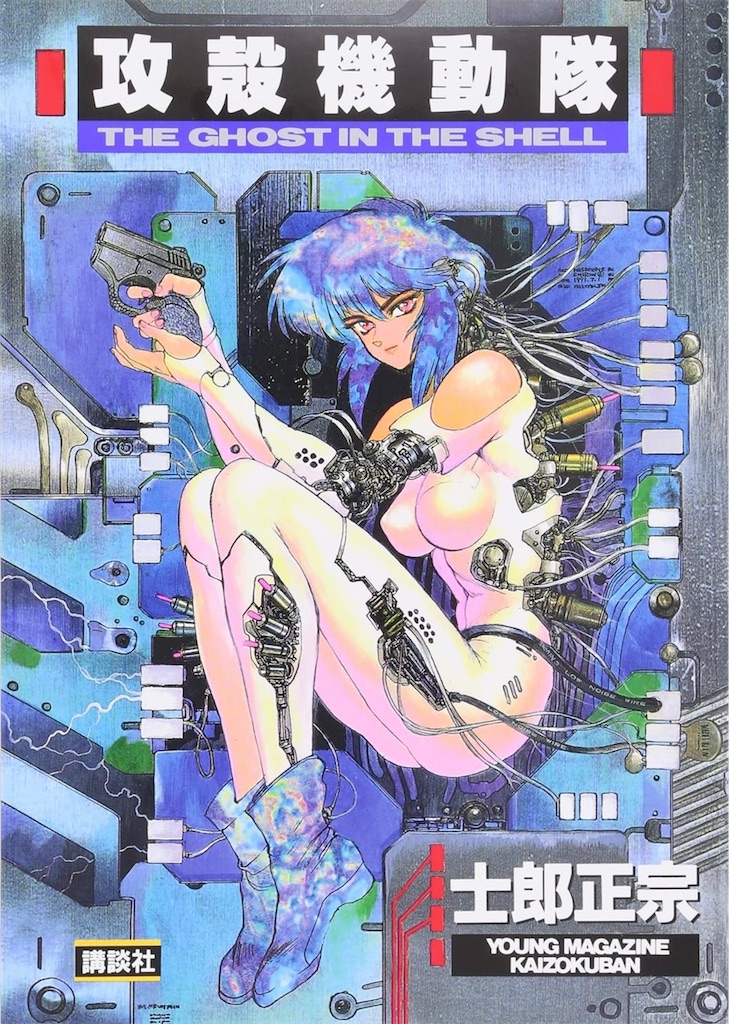
攻殻機動隊 は,1989年に士郎正宗氏が講談社のヤングマガジン海賊版で連載を開始したSF漫画です.電脳戦や格闘などで優れた能力を持つ,全身義体で少佐階級を持つ草薙素子をリーダーとした攻殻機動隊が,近未来のサイバーパンクな舞台で,複雑化する犯罪と対峙するなかで,哲学的な問いや技術的ない未来予測が散りばめられているストーリーです.
ファンの多い攻殻機動隊ですが,作品が発表された1989年前後は第二次AIブームが終焉し,AIの冬といわれる時期に入った頃になります.この当時のAIに関する世の中の動きや雰囲気は分かりませんが,AI開発に関する一種の落胆ムードのようなものがあったのではないかと想像します.
各話の解説というか解読に関しては,第一話から第七話までとても詳しい解説 があります.これらは,とても詳しく,そうなのかぁ...という箇所がたくさんあります.記事が7話で終わってしまっているのがとても残念です.
note.com
7話までの解説等は,上記のブログに詳しいので,まずは,7話までで,用語の定義や疑問点,およびブログで述べられていないことなどについて再確認した内容を書いておきます.
01 PROLOGUE(2029.3.5)
冒頭に物語の舞台として「企業のネットが星を被い,電子や光が駆け巡っても国家や民族が消えてなくなる程情報課されていない近未来」という説明があります.ここで「企業の」という所に,若干の違和感を覚えます.ネットはインターネットを指していて,インターネットに企業が関連しているのは間違いありませんが,かといって誰かのものというわけではなく,数多くの人によって,勝手に成長し続けている情報網,かつ情報(データ)だと思います.もしかすると「企業の」という言葉には私が思ったこととは違う意味があるのかもしれませんが,どうなのでしょうか.
また,舞台は日本です.映画の THE GHOST IN THE SHELL / 攻殻機動隊(1996) ,イノセンス INNOCENCE(2004) における街並みは,サイバーパンクにありがちな,香港の街(例えば,過去の九龍城砦 の街並み)のような描写で文字は基本的に漢字のみですが,原作の街並みは,日本と香港の都市の中間的な描かれ方です(落書き等には日本語が使われている).また,攻殻機動隊の話は,アップルシードの100年前の話ということで,士郎政宗氏のアップルシード イラスト&データブック の年表をみると,攻殻機動隊の舞台がどのような世界なのかを知ることができます.
p.4 (Kindle版 p.8)で襲撃前の草薙素子が「暗号変換 AI任せだとネコにもネズミにも聞かれるわよ」と言っています.ここでのAIが製作時にどのようなイメージだったのかはわかりませんが,現在の状況で考えると,LLMによる機械学習プログラム(例えばChat GPTやGemini などの,現在,一般的に AI と呼ばれているもの〜個人的には機械学習によるプログラムをAIと呼ぶことには結構な違和感がありますが...〜)レベルで作れる,既存プログラムレベルの変換プログラムといった感じで捉えれば良いでしょうか.
p.8 (Kindle版 p.12)の草薙素子が襲撃した後に,光学迷彩を纏って地上に降りていくシーンがあります.このシーンは後に攻殻機動隊における象徴的なシーンとして使われています.また,設定では,光学迷彩が実戦に配備されたのは2005年で,2040年頃まで光学迷彩が使われていたとされています.第一話は2029年3月5日のことで,草薙素子が纏っているのは2902熱光学迷彩で,2029年製の型式改造タイプという注釈があります.
最後のコマで,それまでは少佐と呼ばれていた主人公の草薙素子が,内務大臣のオフィスに座っていて,サイボーグだと説明されています.
-----2026.07.07 追記
カンテレ・フジテレビ系で,攻殻機動隊シリーズの新作テレビアニメ「攻殻機動隊 THE GHOST IN THE SHELL」が放送されました. 第一は,01 PROLOGUE と同じ内容です.
声優の人たちは以下のように一新されました.以下の記述においてカッコ内はこれまでの声優です. 草薙素子:坂本真綾(田中敦子) 荒巻大輔:山路和弘(阪脩) バトー:安元洋貴(大塚明夫) トグサ:中村悠一(山寺宏一) イシカワ:後藤光祐(仲野裕) サイトー:奈良徹(大川透) フチコマ:金田朋子(玉川紗己子)
草薙素子の第一声は「うるさいな.わかってるって.暗号変換AI任せだと,猫にも鼠にも聞かれるわよ」でした.「暗号変換AI任せ」というのも相当,現実味を帯びてきているキーワードだと感じます.
VIDEO youtu.be
ネットで拾った,声優の方々のコメントを転載しておきます.
■坂本真綾(草薙素子役)コメント
攻殻機動隊にはこれまでもご縁がありましたが、今回素子の声を担当させていただくことになったのは、思いがけないことでした。幼いころから共演の機会が多く、人としても俳優としてもずっと尊敬してきた大好きな田中敦子さんが、長い年月をかけて大切に育み愛してきた素子。
今作で素子役をというお話をいただいたとき、どうしてもすぐに受け止めることができませんでした。でも監督やプロデューサーさんとお会いし、攻殻機動隊にあこがれ影響を受けてきた世代のクリエイターたちがリスペクトを込めて挑戦する作品であると伺い、まっすぐな熱意に触れ、もし私にできることが少しでもあるのならと考えました。
全話の収録はすでに終わっています。この作品に向き合うことが、私にとって敦子さんへの感謝と寂しさを噛みしめる大事な時間になったように思います。
今作の素子は表情豊かでエネルギッシュで、コミカルなシーンも多いです。このような素子をアニメで見るのは初めてで新鮮でした。そのぶん演じるのはとても難しかったです。軽やかさの奥で、素子が人知れず欠落を抱えながらも進んでいく、その原動力とは何なのかずっと考えていました。
これから先どれほど時が流れ時代が変わっても、攻殻機動隊が世界中の人々に与えるインスピレーションと問いは永遠だと思います。いつまでも愛され憧れられ続ける、伝説のような作品に携わらせていただけたことを大変ありがたく感じています。
■山路和弘(荒巻大輔役)コメント
「攻殻機動隊」。このタイトルが懐かしい。私が初めて劇場アニメに関わったのが、この作品だった。田中敦子が居た。家弓家正さんが居た。お二人とも鬼籍に入られたが、自分が緊張の極み状態だった所為か昨日のことの様に憶えている。また関われた事が誇らしい。そして今回、荒巻というダサカッコいいオヤジに対面し、ともに収録は出来なかったが、先に録った坂本真綾の落ち着いた声に包まれた時、いうに言われぬ幸せを感じた。この作品、たまらない。
■安元洋貴(バトー役)コメント
若かりし時よりずっと愛してやまない攻殻機動隊。その世界に自分が関われる事になるとは、人生何があるかわからないもんですね。ただただ、精一杯努めます。これしか言えないです。よろしくお願いいたします。あ、そうだ。攻殻機動隊展行ってたんですけど、それを話すと匂わせとか言われても嫌だから話せずにいました。それだけが辛かったです(笑)。ちなみに展示は最高でした。
■中村悠一(トグサ役)コメント
これまで何度もアニメ化され、そのどれもが魅力にあふれた本シリーズの最新作に参加ということで、シリーズを観てきていた自分には青天の霹靂といいますか…とにかく驚いたのを覚えています。
参加することが決まってからはそこまで時間も置かず収録が始まり、トグサ、本作では敢えてトグサ君と呼びたいところですが、彼への向き合いがほぼ時間を占めてきたと思います。トグサ君は経験値が無いわけではないですが、「9課」の仕事をするという中では甘いところもあるので、喜怒哀楽が豊かでこれまでのイメージとは少し違ったタイプになると思います。
視聴者のみなさんの目線になれるキャラクターとして演じていきたいです。初めて本作に触れる方はもちろん、これまでシリーズを愛してくださっている方にも楽しんでいただける作品になっていると思います。迫力ある映像やアクションだけでなく、現代にも通じるテーマや問いかけが数多く盛り込まれていますので、じっくり味わっていただければ嬉しいです。新たな「攻殻機動隊」をよろしくお願いいたします。
■後藤光祐(イシカワ役)コメント
攻殻機動隊は学生時代に出会い、当時はまだ多くを理解できず、大人な渋い作品だと感じていました。それが大人になり、攻殻機動隊の面白さに触れ、憧れを抱き、今作品でイシカワに携われました。イシカワを家具で例えるならソファーだと個人的に感じております。多くの方がこの作品への様々な想いがあるのを承知しております。僕も同じく想う1人です。それらを受け止めたうえで、考え、丁寧に、そして攻めの姿勢でモノづくりに挑戦していきました。では、電脳の世界へいってらっしゃいませ。
■奈良徹(サイトー役)コメント
TVアニメ「攻殻機動隊 THE GHOST IN THE SHELL」楽しみであると同時になんとも言えない緊張感があります。どういう映像になるのか、どんな音楽が作品の空気をつくるのか。出演者ではありますが、僕自身楽しみにしています。僕はサイトーをつとめさせていただきます。本当に光栄に思っています。
攻殻機動隊。ありがたいことに、以前出演させていただいたことがあるのですが(一度だけですが)、令和の時代にこんな未来が待っているとはまったく想像できませんでした。あの時の自分に教えてあげたいです。ぜひ「攻殻機動隊 THE GHOST IN THE SHELL」楽しんでください。
■金田朋子(フチコマ役)コメント
声質的にバレやすいので(苦笑)。普段兼ね役が少ない私ですがいっぱいでてくるフチコマをなんとありがたいことに全て担当させていただきました! めちゃめちゃ嬉しかったです! そしてそれぞれのフチコマがみんな愛おしくてしかたないです!
ただ、昔、声を研究されてる先生に私の声を見ていただいたことがあるのですが、シロテテナガザルが危機感を感じた時に仲間を呼ぶ時の音波と一緒らしく、そんな私がたくさんのフチコマの声を担当させていただいたこともありもしかしたらなんですが謎の頭痛が起きるかもしれません(苦笑)。その時は必ず耳鼻咽喉科に行ってください(苦笑)。
とにかく楽しかったですーーーー!! フチコマ最高ーーーー!! みなさんよかったら推しのフチコマ?? を見つけてみてくださいっ(笑)。
■大井麻利衣(オペレーター役)コメント
まさか自分が「攻殻機動隊」に携われる日が来ようとは…大変光栄です!たくさん映像化されている「攻殻機動隊」ですが、今回は原作に沿って、よりポップでコミカルな部分も感じ取れるかと思います。オペレーターことオペ子さんは、ゴーストを持たないアンドロイドで酷い目にあったりもしますが、設定資料をいただいた際、「(オペ子は)可愛いです。とにかく可愛くなれって思いながら描いて下さい。」の指示と、どの表情画にも「可愛い」と書いてあって愛を感じました(笑)。
オペ子は9課を見守る存在ですから、私も視聴者の皆さんと一緒に、全スタッフ・キャストの想いの詰まった今作品の放送を見届けたいと思います!
■茶風林(内務大臣役)コメント
憧れの「攻殻機動隊」に参加できて感無量であります。未来を先取りしたストーリー、それを裏付ける重厚な政治構造、イカしたメカの数々、セクシー満載、センスの良いウィット、その中で政治的ボスである内務大臣、横柄でありながらもその仕事はでたらめではない、そんな巨体のブルドッグのような内務大臣を演じることができて至福でありました。ぜひこの新しい「攻殻機動隊」をお楽しみください!
-----
02 SUPER SPARTAN (2029.4.10)
花見のシーン(草薙素子は,桜の24時間監視と言っていますが...)から始まり,草薙素子は桜の浮かんだ杯に入っている液体を飲んでいます.現代で考えれば日本酒なのかなと思いますが,サイボーグは日本酒を飲む(もしくは飲める)のかと不思議になります.日本酒の代わりに,高純度の油などなのでしょうか.
この回からフチコマが登場します.フチコマはロボットで,草薙素子達のアシスタント兼,人工知能を搭載した自律型の戦闘用車両という感じです.漫画の中では「思考戦車」とされており,先に紹介したブログ には,思考戦車はThink Tankにかかっているだろうと書いてありました.そんな事には全然気づけなかったので,なるほどぉ〜といった感じで感心しました.
p.13(Kindle版 p.17)で,脳潜入(Brain diving)という言葉が出てきます.これは,他者に脳内に潜入させることでダイレクトに情報共有する事のようです.これは有線,無線の両方での接続が可能なようで,無線だと盗聴のリスクがあるようです.脳潜入には,ここまでしか潜入させないという設定ができそうなものですが,このシーンでは共有したい事〜今回は荒巻との会話〜以外の記憶(データ)にアクセスできるようになっているようです(とは言うものの,ゴーストラインより潜るなと言っているので,一応の境界は設けているようです).その証拠に,脳潜入を行なったメンバーは,本題と関係ない情報にアクセスしてそれに対するコメントをしていたり,草薙素子が「そろいもそろってゴースト近くまで潜ってきやがって」と言っています.おそらく,ゴースト近くまで潜るというのも技術が必要だと思われるので,メンバーの能力の高さを表しているのでしょう.
p.15(Kindle版 p.19)に登場した赤い服の女性はロボットです.草薙素子はスピーカーと,バトーはゴーストのないお人形と言っています.漫画の舞台では,人間は電脳化,義体化していますが,ゴーストを持っています.また義体は,人間型のロボットと似通ったものであるようで,一見,区別がつきにくいようですが,ゴーストを持っていません.例を挙げると,ロボットは今回登場した赤い服の女性や,フチコマで,サイボーグは草薙素子やバトーということになります.
p.30(Kindle版 p.34)で「そうしろとささやくのよ 私のゴーストが 」という名セリフが登場です.このゴーストに関しては,また別の記事で書いてみたいと思います.
そして,最後に階級なしの実力主義の,犯罪の芽を探し出しこれを除去する攻性組織である公安9課が誕生します.
03 JUNK JUNGLE(2029.7.27)
p.52(Kindle版 p.56)でレズビアンセックス(注釈によると,実際の行為ではなく擬似体感ソフトを用いた擬似的な脳内の感覚のようです)をしていた草薙素子を呼び出し,脳に潜入したバトーは,気持ち悪がって「端末がない器官でよかったぁ〜」と言っています.これは脳潜入したことで,バトーは感覚を共有したものの,自身にない器官の感覚だったためによくわからず,気持ち悪いと感じたのだと思われます.注釈に異性には効果がないと書いてあるのは,このことだと思われます.草薙素子は全身を義体化しているので,体内に自身の期間は残されていないはずなのですが,その器官が過去に存在したということを脳が覚えていて,そこに作用するという設定のようです.また,後の 05 MEGATECH MACHINE 2 メイキング・オブ・サイボーグ のところでも草薙素子がこれらのことについて「物理的限界がないってのはおそろしーな」と呟くシーンがあります.確かにその通りで,脳内だけの世界で,肉体的なストッパーがかからなくなると,どうなってしまうのだろうかと思ってしまいます.ここで挙げている例だけではなく,例えば以前にTHE GHOST IN THE SHELL / 攻殻機動隊 の感想などの投稿 にも書きましたが,映画の中で,草薙素子がタンクのハッチを開けるために自身の手足が破損し,千切れてしまっても力を入れ続けるシーンがあります(結果的に草薙素子の義体は壊れてしまう).以前の投稿 では,自身で義体が破損する警告を切ることができるのではないかと想像しましたが,物理(肉体)的,または精神的な限界(恐怖を感じること)は,自身を守るためのでもあり,重要な機能であることを,改めて感じます.
p.58(Kindle版 p.62)で,外務大臣の通訳が人工頭蓋を外されています.草薙素子が「ウィルスはいつ彼女のゴーストに達する?」と聞いていることから,通訳の女性はゴーストを持つ人間〜サイボーグ〜であることがわかります.人工頭蓋からは,結構太いケーブルが頭の中に繋がっています.人工頭蓋の中には脳が入っているのか,それとも脳も機械化されているのかは分かりません.
p.62(Kindle版 p.62)の注釈においてAIについての記載があります.ここでAI(Artificial Intelligence) について,
「人工知能」のこと.「コンピュータサイエンスにおいて実務的な情報処理以外に知的機能を研究する分野,またはその産物
と書いてあります.これまでの攻殻機動隊に関する投稿の中で,現在(2026)AIと呼ばれるLLMによるプログラム(Chat GPTやGemini)をAIと呼ぶには抵抗があるというのは,この定義によるものです.上記のプログラムはネット上の情報を学習して高度な(あたかも人と話しているかのような)やり取りはできますが,これは情報処理の域を出ておらず,上記の「知的機能」ではないと考えるからです.
外務大臣の通訳である女性が感染した HA-3 ウィルについて,草薙素子が 人格乗っ取り型のウィルスで,単体では無害で,ゲノムが揃うと動き出す と説明しています.ゲノムが揃うと動き出すというのはどういうことなのか...わかりませんでした.
p.64(Kindle版 p.68)以降のゴミ回収作業員がゴーストハックされるところは,GHOST IN THE SHELL / 攻殻機動隊(1996) の元ネタです.
p.81(Kindle版 p.85)でトグサが射撃をしながら「あッ」と言うシーンがあります.その後,トグサは「いくら相手が少佐でも 自分のゴースト侵入鍵を他人が持ってて それを使われるといい気はしないぜ」と抗議するのに対して,草薙素子は「お前が奴のアタマを狙ったりするからよ」と言っています.これは,犯人の頭を狙ったトグサの行動を草薙素子が瞬時に制御したという意味です.これ以外のシーンでもありますが,作戦中は9課のメンバーはおそらく専用の回線で繋がっていて,通信は勿論,侵入鍵によってゴーストに入ることなどが可能なのだと思われます.02 SUPER SPARTAN で無線だと盗聴される(枝がつくという表現)とバトーが言っているシーン(p.13(Kindle版 p.17))がありますが,この状況では盗聴防止となっているのだろうかと思いましたが,それに対する答えは見つけられませんでした.
p.94(Kindle版 p.98)で,荒巻大輔が「擬似体験も夢も存在する情報は全て現実であり,また幻なんだ 」といいます.この言葉にはなかなか深みがあるように思います.
04 MEGATECH MACHINE 1 ロボットの反乱
p.95 (Kindle版 p.99)注釈に
フチコマはAI(人工知能)である.朝,あるいは1単位の仕事を始めてから個別の経験をし個体差が生じるが,夜あるいは1単位の仕事が終わると全機の記録(外敵刺激の記録や事故状況の記録・前行動,思考記録etc.)をネットして互いにデータリンクを行い,次の朝あるいは,次の1単位の仕事を始める時には再び均質なものとなっている.装備の点で個性はあるがこれとAIとしての均質性とはあまりカンケーがない.
という記述があります.なので,フチコマチームは常に最も働き,学習した個体のデータを基に知能,データがアップデートされるので,全機が最も賢くて(?),同じ経験値を持っている状態になっているということになります.フチコマは朝,もしくは1単位の行動後に,全機がすっきりと均一化されるので,どの個体に乗っても同じということになるのでしょう(それでもバトーは自分のフチコマを1機に限定しているとのこと).これらは,機械が得意なことで,人間でこれをやろうとして,作業前,後のミーティングなどをしても,個々人の経験や学びを共有して均一化することは ほぼ無理で,能力差や気持ち等は開いていく一方です.なので,データを取り込むということに関しては,フチコマのようなAI(人工知能)は人間よりも全然優れています.
p.96(Kindle p.100)フチコマ同士での貶し言葉が「バグ持ち」「ポンコツ」というのが面白かったです.ですが,バグ持ちも翌朝には治ってしまう,もしくは,全機バグ持ちになってしまったり,全機ウィルス感染してしまうので,貶せる時間はすごく短いのだと思いますが....
p.97(Kindle p.101)の注釈に,
人間の定義もあいまいなのに,人間を超える(意味不明)AIができた場合に人間はそれを認識できるだろうか.
という問いが書かれています.確かにその通りですね.
05 MEGATECH MACHINE 2 メイキング・オブ・サイボーグ
サブ・タイトルの通りサイボーグを作る工程が示されています.そうなんだぁ〜という感じです.漫画の中では,全身義体化している人や,部分的に義体化している人がいるという設定です.ここで,03 JUNK JUNGLE(2029.7.27) のところでも書いたのですが,物理的な限界について,バトーが腕だけを義体化した例が描かれています.義体の腕には,50kgの重さのものを持ち上げる能力があるものの,腕のみを義体化して50kgの物を持ち上げようとすると,その義体が取れてしまう(義体とくっついている腕,もしくは肩が耐えられない)ということが描かれています.以前のTHE GHOST IN THE SHELL / 攻殻機動隊 の感想などの投稿 で,サイボーグは,義体破損の警告を自身で切ることができるのではないかと考えていましたが,ここで,50kgのオモリを持ち上げようとして腕がもげてしまい「わーっ」と驚いている姿からすると,義体化した際には破損の危険を知らせる信号は脳には伝わらないのかもしれません...(笑).多分そんなことはないとは思いますが....ここで,草薙素子が 部分サイボーグは「人間の能力を補う」全身サイボーグは「人間以上をつくる」 と解説しています.
ここで,この義体(サイボーグ)化に関して不思議に思ったことがあります.全身義体化してしまうと子どもを産むことはできないと思いますが,どうなのでしょうか.また,電脳化や義体化はどの程度の成長段階から始めるのかなどが気になりました.
終盤で,草薙素子が 私時々「自分はもう死んじゃってて今の私は義体と電脳で構成された疑似人格なんじゃないか?」って思う事あるわ と言います.これと似たようなことは,生身の人間でも考える(例えば,マトリックス のように,今感じていることは,現実世界のようでいて,実は仮想世界の出来事なのではないか...など)ことで,このようなことを感じたり,考えたりするのが人間の証なのかもしれないなと思いました.
06 ROBOT RONDO 10.1
このストーリーはイノセンス INNOCENCE(2004) の元ネタだと思われます(イノセンス INNOCENCE(2004) の感想はこちら ).阪華精機のトムリアンデ型アンドロイドが暴走して殺人を犯してしまうという事件が起こります.
アンドロイドを製造している「阪華精機」という会社名を見て,同じようなネーミングの阪神電車を思い出しました.阪神は大阪の「阪」と神戸の「神」を合わせた物です.そう考えると,「阪華」は大「阪」と中「華」で中国の資本が入った会社なのだろうかと思いました.サイバーパンクの世界は,中国文化の影響が強い世界ですが,ここでもそのように考えて「阪華」というネーミングなのではないかと思ったりもします.
トリムアンデ型アンドロイドを探しているバトーがトレンチコートを着てネクタイを締めています.バトーはこれまでラフな服装でしたが,今回はビシッとしています.捜査中のバトーが「人口爆発に苦情を言ってもはじまらん」と言っています.上記の 05 MEGATECH MACHINE 2 メイキング・オブ・サイボーグ の箇所でも,義体化すると子どもが産まれないのでは...と書きましたが,人口爆発が生じるくらいに子どもが産まれているようです.
見本品のトムリアンデ型アンドロイドが狂うように仕込んだ繁華精機の久保沼部長は電脳化していなかったために自白剤を打たれています.ここで,全ての人が電脳化しているわけではないことがわかりました.また,この久保沼部長が狙撃され,犯人を追う際に,トグサがバトーのことを元レンジャー と呼んでいます.だからこそ,タフだし拷問もできるんですね.
p.137(kindle版 p.141)バトーは今回のトムリアンデ型アンドロイド暴走事件の発端となった(警察が自分たちを見つけてくれるように,ロボットが発狂するように久保沼部長にプログラムを仕込ませた)リンクとアダムを見つけ「犠牲者が出るとは考えなかったのか? 」と問い詰めます.なお,イノセンス INNOCENCE(2004) ではこのセリフに続けて「人間のことじゃねえ.魂を吹き込まれた人形がどうなるかは考えなかったのか」と言っていました.
07 PHANTOM FUND 2029.12.24
第7話は,アクションも豊富で面白いのですが,何故かひっかるところが少ない印象です.アクションの展開を面白い〜という感じで流してしまっているからでしょうか….
p.153(Kindle版 p.157) 九州庁 首都 福岡という地名が出てきました.今で言うところの「地方」が「庁」に変わったのでしょうか.それとも道州制のようなもので,州ではなく庁と呼ぶことになったのでしょうか.また,攻殻機動隊での首都は福岡です.
P.162(Kindle版 p.162) コイルに殺された矢野の遺体を葬るにあたって,イシカワが丁重に扱ってくれと言ってお金を渡したところ、受け取った方が丁重にだってさと言ってニヤニヤしています.これは単にお金を貰えて嬉しいのか,それとも別の意味があるのかわかりませんでした.話の最後に矢野のお墓があるので,お金だけ貰って何にしなかったといったことではなさそうですが….
P.170(Kindle版 p. 174) バトーのフチコマが「糸のブレーキオイルが凍って 」と言って、ブレーキが効かずにズッコケている様子があります.これは,バトーが自身の専用フチコマに天然オイルォ入れていることが原因です.p.150 で天然オイルを入れて欲しいとフチコマが草薙素子におねだりするものの「アリやカビや凍結でトラブりたいのか 」と言われて却下されていることの回収です.
以上,第一話から第七話までとても詳しい解説ブログ を読みながら攻殻機動隊 / 士郎正宗を読み直してみました.第8話からは解説がないので,じっくりと解読する気で読み直してみたいと思います.それらに関しては別の記事で書いてみたいと思います.